


While you buy by way of hyperlinks on our website, we could earn a fee. Right here’s the way it works.
The day I stated goodbye to my outdated canine, Finn, I assumed I had an emotional deal with on the toughest half — till I noticed his finest furry pal, Tiny, looking each room, sniffing his mattress, and letting out a comfortable, damaged whine.
It made me surprise: Do canines know when different canines die? Do they grieve like we do?
Science says canines could not take into consideration loss of life the way in which people do, however rising analysis and numerous heart-wrenching proprietor tales counsel they really feel loss in highly effective, unmistakable methods.
On this information, I’ll discover the science, the indicators, and the perfect methods to assist a canine grieving the lack of one other canine or their human.

Can Canine Perceive The Idea Of Dying?
Canine reside in a sensory-rich world. Their noses detect scents we are able to’t even think about, and their capability to learn physique language is nearly uncanny. However do canines perceive loss of life in the identical method people conceptualize it? Most likely not.
As a substitute of enthusiastic about mortality as an summary idea, canines discover modifications — the absence of acquainted smells, sounds, routines, and companions. That absence can trigger confusion, stress, and behaviors that look very very like grief.
It’s not nearly lacking a pal; it’s the sudden change within the rhythm of life. The absence of acquainted smells and buddies. The quiet the place there was play.
Do Canine Know When Different Canine Die?
Many homeowners swear their surviving canine knew one thing had occurred earlier than they even eliminated the physique or returned from the vet. One canine would possibly sit by the door for hours, one other would possibly cry softly, and a few appear stressed or confused, pacing round as if looking for solutions.
Whereas we are able to’t show “understanding” within the human sense, proof reveals they’re aware of absence, and that consciousness can have an effect on them emotionally and bodily.

Canine reside in a sensory world dominated by scent. A residing companion carries a fancy scent signature that shifts subtly with temper, weight loss plan, and even sickness. Animal ethologist Marc Bekoff, Ph.D., explains that canines can typically sense sickness earlier than loss of life as a result of they detect these scent modifications.
After loss of life, that main scent signature disappears virtually instantly, which can clarify why many surviving canines interact in looking behaviors or act distressed.
Do Canine Grieve Different Canine?
Grief in canines is actual — although it seems to be totally different than it does in people. A 2016 examine revealed within the journal Animals surveyed over 250 canine and cat homeowners and located that 75% observed a minimum of one behavioral change of their surviving canine after an animal companion handed away.
Probably the most complete analysis to this point comes from a 2022 examine in Scientific Studies, which surveyed 426 multi-dog households in Italy the place one canine had died and one other survived. Almost all homeowners (93%) reported that their canines had shared a house for over a yr, and greater than two-thirds (69%) described their relationship as pleasant.
Over 85% of householders noticed behavioral modifications of their surviving canine after a companion canine’s loss of life. The commonest modifications included:
- Elevated attention-seeking (67%)
- Diminished playfulness and total exercise (57%)
- Elevated sleep (35%)
- Heightened fearfulness (35%)
- Lack of urge for food (32%)
- Extra frequent vocalization (30%)
Sadly, these grief-like behaviors weren’t all the time short-lived:
- About 32% of canines confirmed modifications for two to 6 months.
- Almost 25% continued for greater than six months.
Bond energy mattered, too. Surviving canines had been extra affected once they had:
- Slept subsequent to the deceased canine
- Shared day by day play
- Fashioned particularly shut, virtually parental-style bonds
Lastly, the examine discovered that proprietor grief performed a job. Canine typically mirrored the unhappiness of their human household, suggesting a form of emotional contagion or empathetic resonance.
Different Potential Indicators A Canine Is Conscious Of A Companion Canine’s Dying
- Refusing to enter sure rooms the place they hung out collectively
- Looking the home or yard as if searching for the lacking companion
- Whining or howling at traditional playtimes
- Sniffing bedding or toys intensely, then ignoring them — virtually as if confirming the absence of scent
Should you’ve seen any of those indicators, you realize they’re not simply “appearing out” — they’re processing a change they don’t totally perceive, however they know issues are totally different.
My Colleague’s Private Expertise With A Pup Grieving Their Furry Sibling
I noticed firsthand how the loss of life of 1 canine can go away ripples that contact each nook of a house, together with different pets. When my beloved Chihuahua handed away a number of years in the past, it felt just like the lack of a member of the family, a bit of day by day life out of the blue lacking.
What I didn’t anticipate was how deeply it might have an effect on my different canine, Daisy. Daisy paced the home, unsettled, as if looking for a rhythm that now not existed. She clung to me in a method I had by no means seen earlier than, shadowing me from room to room, even nudging her method into the toilet.
Her grief spilled into the smallest particulars, ignoring her meals, refusing the consolation of her personal mattress. That mattress had all the time been hers, however it had additionally been shared with our candy Chi. For weeks, she wouldn’t sleep there.
After I spoke to my vet, they defined that this was Daisy’s method of grieving. In time, life slowly discovered a brand new form, and the home softened again into one thing like regular.
However Daisy by no means let go of that fierce must be shut. Even a yr later, after we opened our house to a brand new rescue pup, she stayed pressed to my aspect.
– Danielle DeGroot, Rescue Canine Mother, Canine Journal Author
Do Canine Perceive An Proprietor’s Dying?
When a beloved proprietor passes away, the loss can shake a canine’s world as a lot, if no more, than the lack of a canine companion. Canine depend on their people for meals, care, affection, and day by day construction. When that presence out of the blue disappears, it will probably go away them anxious and unsettled.
Their bond with us is rooted in biology. For instance, a 2011 examine on human–canine interplay discovered that merely petting or spending time with an proprietor will increase a canine’s oxytocin ranges — the identical “bonding hormone” that connects mother and father and kids.
Different research have proven that canines change into anxious when their proprietor is away, even for brief stretches, and that the stress grows stronger the longer the separation lasts.
This helps clarify why some canines, particularly so-called “velcro canines,” are so liable to separation anxiousness. They don’t grasp the thought of “you’ll be again quickly” — what they perceive is absence, and that absence can really feel overwhelming.
Tales That Mirror the Science
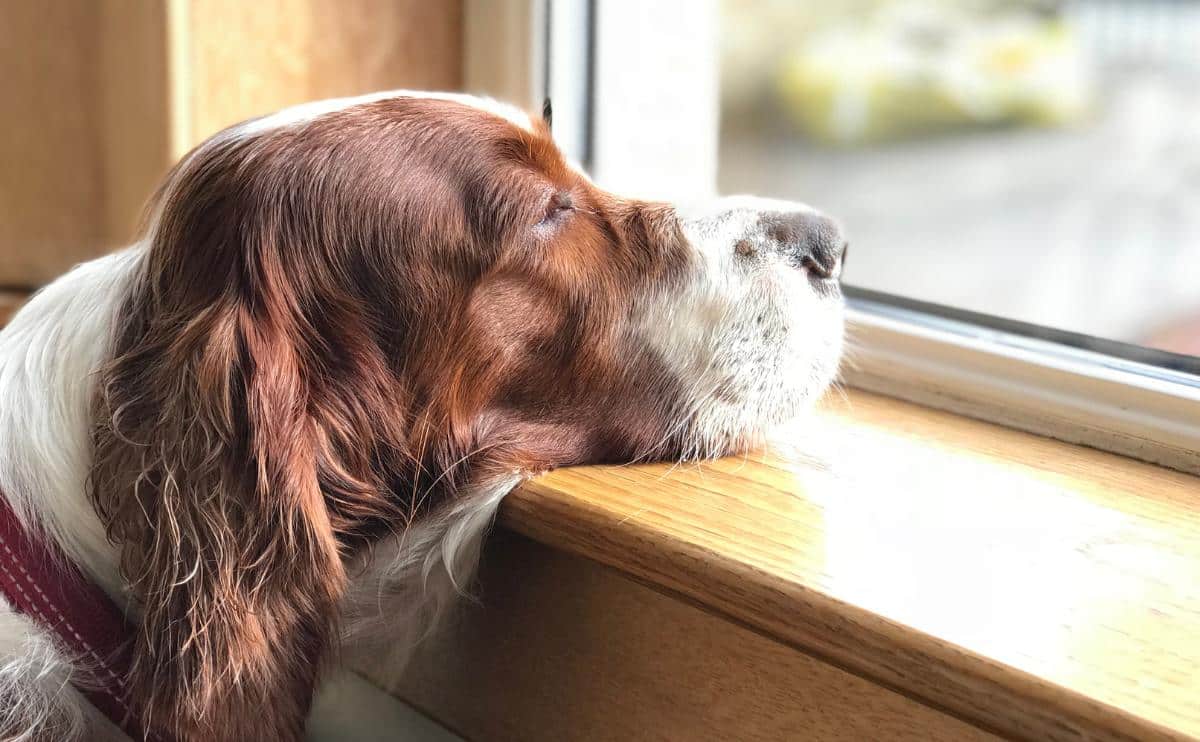
Science could measure hormones and coronary heart charges, however canine homeowners know the indicators of grief firsthand. Some canines wait by doorways or home windows. Others sleep on their proprietor’s garments. Many refuse meals or wander the home as if looking.
And naturally, there’s the well-known story of Hachikō, the Akita in Japan, who waited at a practice station for almost 10 years after his proprietor’s loss of life. His story isn’t simply folklore; it mirrors what we nonetheless see at present in service canines who lie beside a fallen handler’s coffin or pets that linger close to their proprietor’s grave.
In each science and story, one fact stands out: canines could not perceive loss of life, however they know absence. And when that absence is the particular person or canine companion they’ve liked most, the adjustment could be as emotional for them as it’s for us.
What’s The Distinction Between Grief And Anxiousness In Canine?
When a canine loses a beloved companion, a number of the behaviors you discover could look loads like anxiousness — pacing, whining, or clinging to you greater than traditional. However there are refined variations between grief and separation anxiousness, and understanding them might help you assist your canine higher.
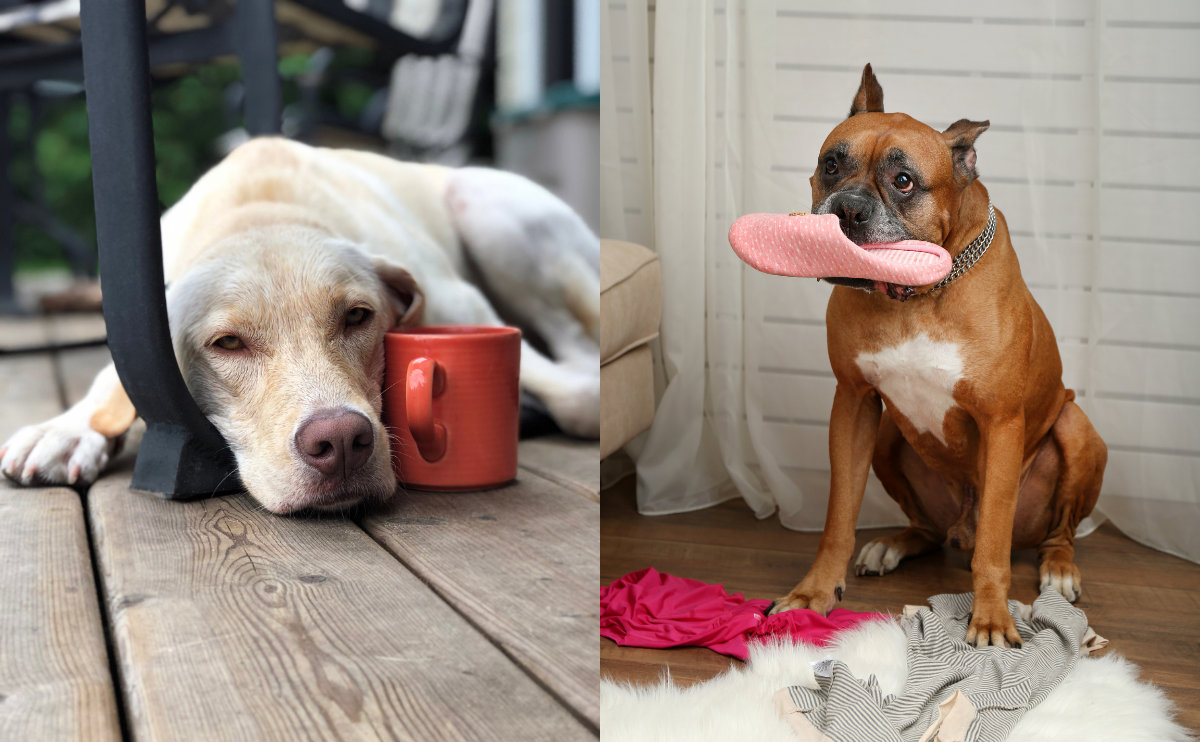
Grief Behaviors typically embrace:
- Trying to find the deceased canine or particular person
- Sleeping greater than traditional
- Lack of urge for food
- Vocalizing at uncommon occasions
- Withdrawal from play or favourite actions
Anxiousness Behaviors usually tend to present up when your canine is left alone:
- Damaging chewing or scratching doorways
- Home soiling even when housetrained
- Extreme panting or drooling
- Fixed pacing till you come back
- Speedy reduction when you’re house
The important thing distinction is triggers. Grief tends to look round routines, objects, or occasions linked to the misplaced companion, whereas anxiousness is triggered by your absence.
In fact, some canines expertise each directly — grief that turns into heightened separation anxiousness. In case your canine’s misery feels excessive or doesn’t enhance after a number of weeks, speaking along with your vet or a behaviorist could make a world of distinction.
How To Assist A Grieving Canine Heal
When a canine is grieving the lack of one other canine or human companion, they want stability, endurance, and mild encouragement.
Whereas it will probably take some canines a very long time to heal, right here’s what you are able to do to assist your furry pal:
- Persist with routines — Meals, walks, and bedtime must be predictable.
- Give further affection — Petting, grooming, and quiet companionship can provide consolation.
- Hold issues acquainted — Encompass them with acquainted individuals, scents, and objects.
- Keep train — Strolling and lightweight play encourage endorphin launch.
- Supply psychological enrichment — Puzzle toys, mind coaching video games, and new scents assist preserve their thoughts lively.
- Allow them to relaxation — Some canines want quiet time as a lot as play.
- Monitor consuming and ingesting habits carefully — early vet intervention can forestall well being decline.
When To Search Skilled Assist
Most grieving canines begin to enhance inside a number of months. But when grief turns into extended despair, it’s time to speak to your vet or a licensed canine behaviorist. Sudden weight reduction, refusal to eat, or excessive withdrawal can point out each emotional and bodily well being points. A veterinary behaviorist may create a personalised plan to assist your canine alter.
When Grief Impacts Well being
Most grieving canines regularly alter over time. However in some circumstances, the emotional stress takes a toll on their physique in addition to their coronary heart.
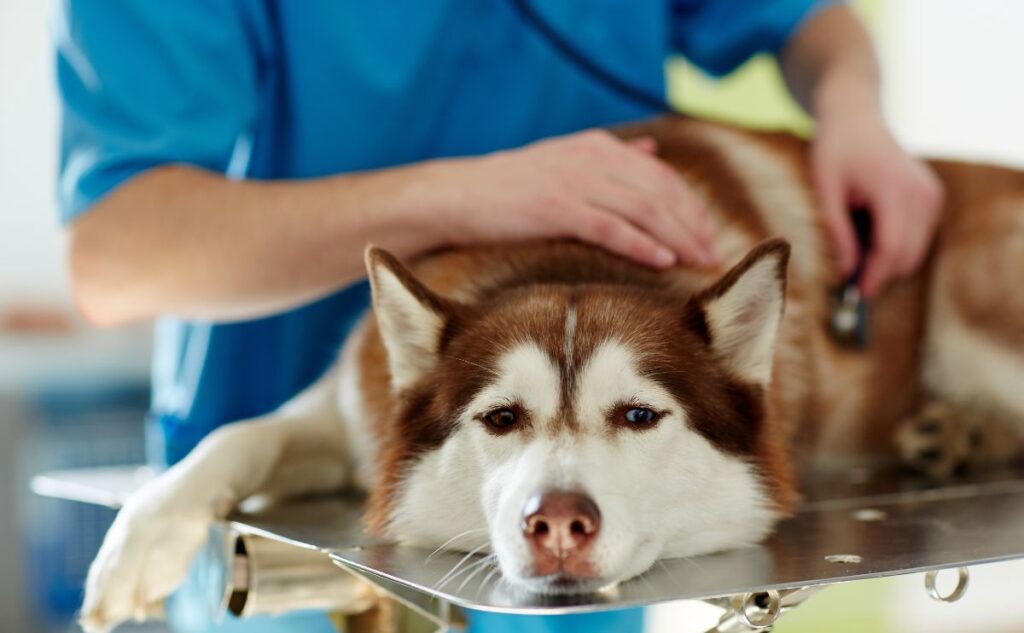
Pink flags to look at for embrace:
- Refusing meals for greater than 24–48 hours
- Noticeable weight reduction
- Sudden modifications in toilet habits
- Lethargy that doesn’t enhance
- Worsening of present circumstances, like arthritis or coronary heart illness
Stress hormones akin to cortisol can weaken the immune system if they continue to be elevated for too lengthy. This makes senior canines or these with power sicknesses particularly weak.
Should you discover these modifications, don’t wait — schedule a veterinary checkup. A grieving canine might also be a sick canine, and catching well being points early is one of the best ways to guard them whereas they heal emotionally.
Can A New Canine Assist A Grieving Canine?
When a beloved canine passes, it’s pure to surprise if bringing one other pet into the house will ease the surviving canine’s unhappiness. The reply isn’t easy — and timing issues.
For some canines, a brand new companion can present distraction, play, and luxury. For others, particularly these nonetheless deep in mourning, a brand new canine could really feel overwhelming and even threatening.
Indicators your canine could also be prepared for a brand new companion:
- Urge for food and sleep have returned to regular
- Curiosity about different canines has reappeared
- Playfulness and power are beginning to return
Indicators your canine may have extra time:
- Refusal to eat or interact with toys
- Persistent looking for the deceased canine
- Anxiousness, withdrawal, or extreme vocalizing
The bottom line is to let your canine set the tempo. Dashing the method can add stress quite than consolation. Should you do convey house a brand new canine, make introductions slowly and provide loads of reassurance so your grieving pup doesn’t really feel changed.
Different Animals Who Display Grief Behaviors
Canine aren’t the one animals who present indicators of mourning. Actually, a whole area of science, referred to as comparative thanatology (the examine of how animals reply to loss of life), has documented grief-like behaviors throughout many social species.
Barbara J. King, Ph.D., emerita professor of anthropology on the Faculty of William & Mary, creator of How Animals Grieve, and creator of the award-winning article “People Are Not the Solely Creatures Who Mourn” in Scientific American, asserts that the following patterns make it clear that many animals reply to loss of life.
- Wolves and Coyotes: Wild canids have been noticed lingering close to deceased packmates, vocalizing softly, or displaying subdued habits. These parallels to home canines counsel that mourning could also be rooted in evolutionary pack bonds.
- Elephants: One of the vital well-documented examples, elephants typically contact and guard the our bodies of fallen herd members, typically revisiting the bones months or years later.
- Primates: Chimpanzees and gorillas have been seen carrying deceased infants for days, a habits researchers consider displays each attachment and problem processing the loss.
- Birds: Corvids like crows and magpies collect quietly round lifeless flockmates in what some scientists name “funeral gatherings.” These occasions could assist the group course of hazard or just specific loss.
Collectively, these examples reinforce the concept that grief will not be uniquely human — it’s a response to deep social bonds. And identical to elephants or primates, our canines really feel the absence of these they love.
Incessantly Requested Questions
We’ve coated the most typical questions on canine grief beneath. Should you don’t see your query right here, drop it in our feedback. We love listening to from readers and can do our greatest to get you solutions.

Ought to You Let Your Canine See The Deceased Pet?
Some specialists consider that permitting a canine to smell and see the physique could assist them course of the change. With out this, they might proceed looking, not sure the place their companion went. Nonetheless, this isn’t proper for each canine — some could change into harassed or agitated. Should you’re not sure, ask your vet for steerage.
Do Canine Bear in mind Deceased Canine Years Later?
Some do, particularly in the event that they had been deeply bonded. Acquainted scents or locations can set off reminiscences.
How Lengthy Do Canine Grieve?
There’s no set timeline. Some canines bounce again inside weeks; others could take months or extra to totally alter. Age, character, and the depth of the bond all play a job. Similar to people, canines could have “good days” and “dangerous days” in the course of the grieving course of.
Can A Canine Die Of Grief?
Whereas grief itself doesn’t immediately trigger loss of life, excessive stress can worsen well being points in senior or fragile canines.
Is My Canine’s Change In Habits Regular After Dropping A Buddy?
Sure, so long as it regularly improves over time. If it worsens, seek the advice of a vet.
When Ought to I Get One other Canine?
It’s tempting to fill the void rapidly, however timing issues. Your surviving canine wants time to regulate to the loss — and also you do, too. Introducing a brand new pet too quickly may cause stress or resentment.
Indicators your canine may be prepared for a brand new companion:
- Their urge for food and sleep return to regular
- They’re displaying indicators of playfulness
- They appear interested in different canines once more
Do Canine Grieve When An Proprietor Dies?
Sure, physiological stress and behavioral modifications are widespread. Maintaining routines constant, sustaining acquainted scents, and providing further companionship might help.
Ought to A Canine See Their Deceased Proprietor?
Some specialists consider it might assist present closure, permitting the canine to course of the absence by way of scent and sight. Nonetheless, others warning that the expertise could be complicated or anxious for sure canines. If this example arises, seek the advice of a veterinarian or behaviorist to resolve what’s finest in your canine.
How To Deal With Your Personal Grief Over A Pet Loss
Going through the top of a canine’s life is among the most tough moments any pet father or mother will expertise. Saying goodbye to a beloved companion means not solely dealing with your personal grief but additionally serving to surviving pets alter to the absence.
Enable area for each your self and your surviving pets to mourn, and lean on assist if you want it. Should you’d like extra steerage, you’ll be able to learn our companion article on dealing with the loss of life of your canine for concepts on navigating the therapeutic course of.
Should you’ve ever walked alongside your canine as they grieved the lack of a companion, our hearts exit to you. We’d love so that you can share your story within the feedback — how did you assist your pup heal, and what introduced consolation throughout that tough time?

