


The U.S. Senate Finances Committee on Wednesday held a listening to to launch a research they stated confirms local weather change is growing non-renewal charges in a number of states, however the insurance coverage trade clapped again by saying excessive climate is simply a part of the issue.
Throughout the 90-minute listening to, entitled “Subsequent to Fall: The Local weather-Pushed Insurance coverage Disaster is Right here – And Getting Worse,” chairman Sen. Sheldon Whitehouse (D-R.I.) stated the committee’s conclusions have been primarily based on non-renewal information collected from 23 insurers representing about two-thirds of the owners insurance coverage market, protecting years 2018 by 2023.
The information, in response to the report, “verify that it’s local weather change that’s driving growing non-renewal charges” not simply within the markets thought of to see probably the most insurance-market turmoil – Florida, Louisiana, California and Texas – however in different states such because the Carolina, New England, Oklahoma, the Northern Rockies, and Hawaii as properly.
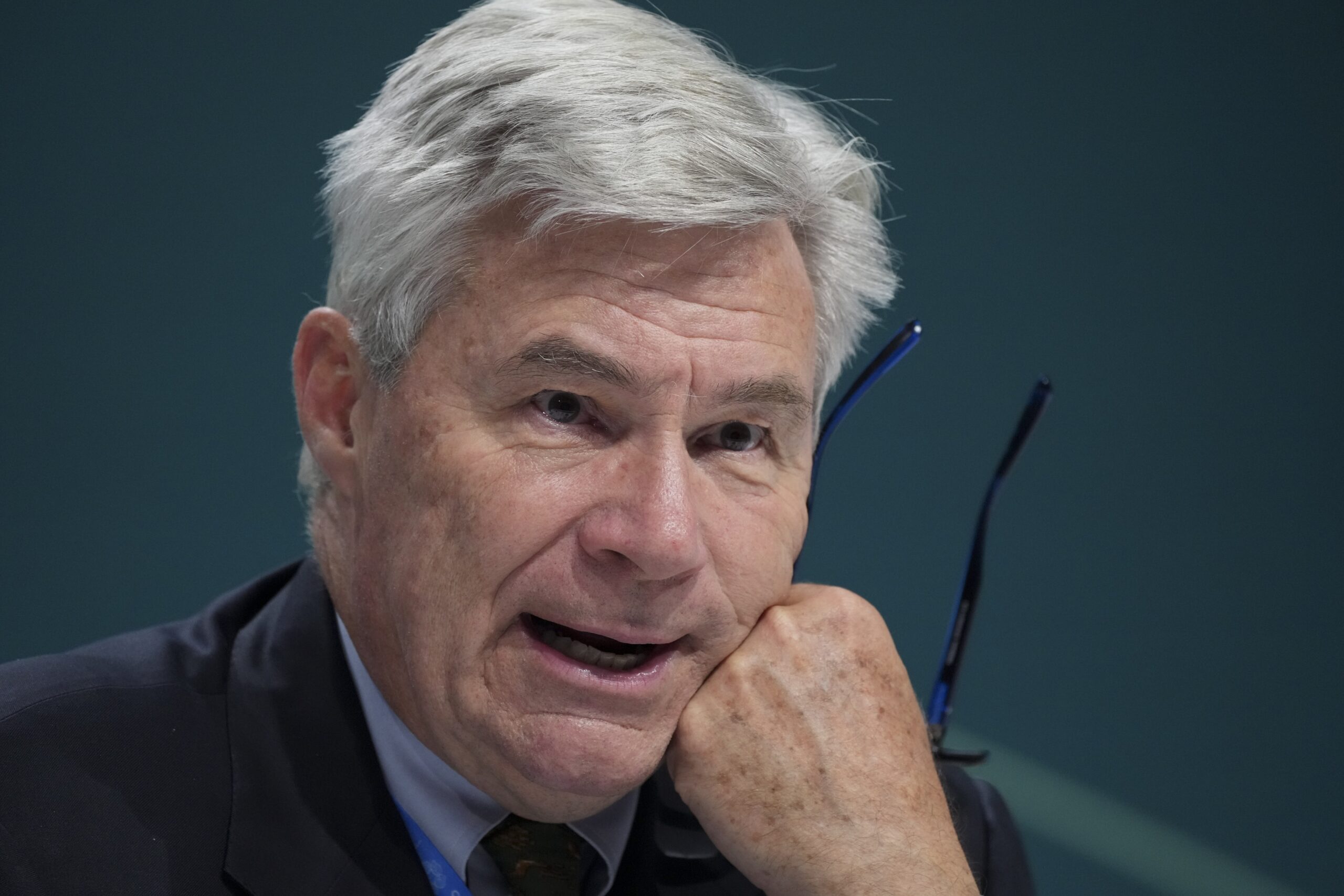
Whitehouse stated the report incorporates data relating to the questions of when and the way unhealthy the “disaster” will get.
“The solutions are ‘now’ and ‘very,’ and it’s solely getting worse,” Whitehouse stated in the course of the listening to.
Whereas Florida was discovered to have the best common fee of non-renewals, Texas shouldn’t be within the high 10, Whitehouse stated. The findings of non-renewals in a variety of states exhibit that “a number of climate-related results are destabilizing widespread insurance coverage markets,” Whitehouse added.
Nonetheless, Robert Hartwig, throughout his testimony earlier than the committee stated the insurance coverage trade is “not within the midst of a climate-driven disaster neither is it about to ‘fall.’” Hartwig, a professor of threat administration on the College of South Carolina and former president of the Insurance coverage Info Institute, stated there may be “no proof that the trade is on the precipice of collapse” regardless of current will increase in disaster losses.
Hartwig stated the committee’s conclusions have been primarily based on non-renewal charges skewed by will increase in Florida and California, and he drew a distinction for the committee between a “disaster” and a “dislocation” throughout the market whereas mentioning different components influencing trade actions together with inflation, litigation, fraud, in addition to will increase in inhabitants and exposures.
Feedback from Jimi Grande, the Nationwide Affiliation of Mutual Insurance coverage Firms’ (NAMIC) senior vice chairman of federal and political affairs, have been extra pointed. Within the shadow of one other authorities shutdown, the committee selected to “manufacture an insurance coverage disaster singularly pushed by local weather change to attain political factors,” he stated.
“This listening to shrugs off the poisonous combine of maximum climate, inflation and financial uncertainty, and authorized system abuse driving up prices for each insurers and policyholders abruptly,” Grande continued. “It does nothing to handle local weather change challenges or defend Individuals from rising prices rooted in poor coverage decisions, and sadly devalues this committee’s work.”
In a assertion launched previous to the listening to, David A. Sampson, president and CEO of the American Property Casualty Insurers Affiliation (APCIA), stated, “Property insurance coverage losses have been escalating and it’s not simply the climate. The 40-year-high inflation is an outsized affect on insurance coverage affordability, coupled with the opposite main price drivers together with, overbuilding in high-climate threat areas, authorized system abuse, and growing regulatory prices and constraints.”
“Amassing and analyzing owners’ insurance coverage nonrenewal information doesn’t present related data tying rising insurance coverage losses to local weather threat,” he stated, including that “authorities threat and interference are main drivers in whether or not customers are in a position to acquire insurance policies from a aggressive personal insurance coverage market or find yourself in government-established residual markets.”
Whitehouse stated the Nationwide Affiliation of Insurance coverage Commissioners (NAIC) submitted a letter to the committee that stated a number of the information collected might have “inconsistencies and inaccuracies.” The letter contained no extra element and the committees will observe up with the NAIC, Whitehouse stated, including that no insurers submitting information known as out any issues.
In assertion later despatched to Insurance coverage Journal, Whitehouse stated the committee confirmed with NAIC that its issues utilized to information it supplied to the Federal Insurance coverage Workplace, to not the committee’s information or report.
“Our conclusions are subsequently sound: areas with larger local weather threat have larger insurance coverage non-renewal charges and premiums and quicker progress in non-renewal charges and premiums,” he stated.
Additionally testifying was unbiased insurance coverage agent Ernest Shaghalian Jr. of Butler & Messier Insurance coverage Company primarily based in Whitehouse’s dwelling state of Rhode Island.
“The insurance coverage market in Rhode Island is the worst I’ve seen it in my 40 years as an agent, and getting worse every year,” he stated. “The rise within the frequency and severity of climate occasions has created havoc in the price and availability of dwelling, enterprise, and even auto insurance coverage.”
He stated the state’s coastal communities have seen a greater than 560% improve in non-renewals, and two insurers left the market. One is in receivership. A 3rd insurer introduced it might non-renew all private property insurance policies within the Ocean State.
“If I had knowledgeable Christmas want checklist, on the high of it might be that states require insurance coverage firms to offer extra superior discover earlier than permitting [insurers] to withdraw from territories,” Shaghalian stated.’When insurance coverage firms don’t settle for minions of {dollars} of premiums even at as we speak’s larger costs, that tells me they assume issues are going the unsuitable manner. The disaster shouldn’t be with insurance coverage firms; the disaster is with customers.”

